
Bringing houseplants into your home adds beauty, improves air quality, and can even boost your mood. But to enjoy these benefits, it’s important to know how to keep your plants healthy and thriving. Whether you’re new to indoor gardening or looking to improve your plant care routine, these practical tips will help your houseplants flourish.
Understanding Your Houseplant’s Needs
Every houseplant has unique requirements for light, water, temperature, and humidity. Taking time to understand these basic needs is the first step to successful plant care.
Light
Light is essential for photosynthesis, the process through which plants make food. Different plants have different light preferences:
– Bright light: Plants like succulents and fiddle leaf figs thrive near windows with strong, direct sunlight.
– Indirect light: Many tropical plants, such as peace lilies and pothos, prefer bright but filtered light.
– Low light: Some plants, like snake plants and ZZ plants, tolerate shaded corners with little natural light.
Tip: Observe where you place your plant and adjust its location if you notice slow growth or yellowing leaves.
Watering
Proper watering is often the most challenging part of plant care. Overwatering can cause root rot, while underwatering leads to dry, wilted leaves.
– Check soil moisture: Before watering, test the soil by sticking your finger an inch deep. If it feels dry, it’s time to water.
– Water thoroughly: When watering, soak the soil until water drains from the pot’s bottom. This helps encourage healthy root growth.
– Drainage: Use pots with drainage holes to avoid waterlogging.
Temperature and Humidity
Most houseplants do well in temperatures between 65-75°F (18-24°C). Avoid placing plants near drafts, heaters, or air conditioners.
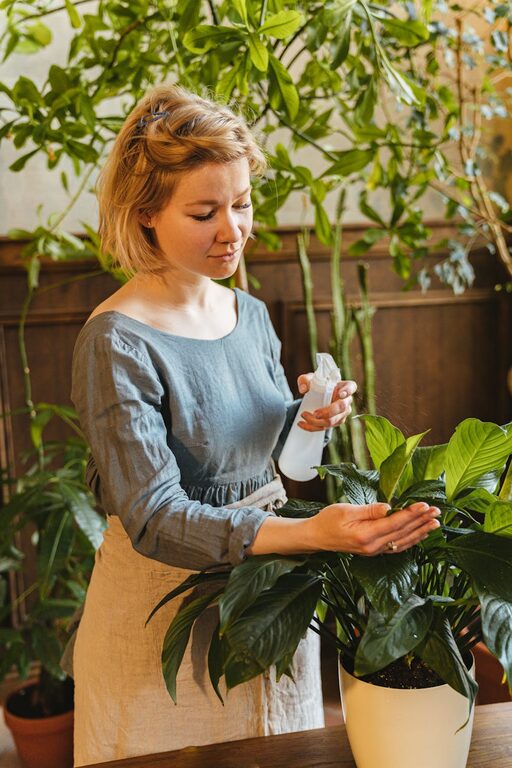
Humidity preferences vary: tropical plants like higher humidity, while succulents need drier air. Consider misting tropical plants or using a humidifier to maintain moisture in dry homes.
Creating the Right Environment
Beyond basic needs, creating a suitable environment helps your plants thrive.
Choosing the Right Pot and Soil
– Pot size: Select a pot that’s slightly larger than the plant’s root ball to give it room for growth.
– Material: Terracotta pots are porous and allow soil to dry faster, ideal for plants needing drier soil. Plastic pots retain moisture longer.
– Soil type: Use potting mixes designed for houseplants. For succulents and cacti, use a well-draining soil mix.
Fertilizing Your Plants
Plants need nutrients to grow, especially during the growing season (spring and summer).
– Use a balanced, water-soluble fertilizer every 4-6 weeks.
– Reduce or stop fertilizing during the plant’s dormant period in fall and winter.
– Always follow instructions to avoid overfertilizing, which can harm plants.
Regular Maintenance for Healthy Plants
Houseplants benefit from regular care beyond watering and feeding.
Pruning and Cleaning
– Remove yellow, dead, or damaged leaves to keep plants healthy and encourage new growth.
– Pinch back leggy growth to maintain a bushy shape.
– Wipe leaves with a damp cloth to remove dust and improve photosynthesis.
Repotting
Plants can outgrow their pots, leading to root binding and stunted growth.
– Repot every 1-2 years or when roots grow out of drainage holes.
– Choose a slightly larger pot and fresh soil.
– Gently loosen roots during repotting to help them spread.
Monitoring for Pests
Common houseplant pests include spider mites, aphids, and mealybugs. Regularly inspect your plants:
– Look for tiny webs, sticky residue, or small insects on leaves.
– Treat infestations early with insecticidal soap or neem oil.
Troubleshooting Common Problems
Even with the best care, problems can occur. Here are some common issues and how to address them:
– Yellow leaves: Often caused by overwatering or poor drainage.
– Brown leaf tips: Usually a sign of low humidity or underwatering.
– Leggy growth: Indicates insufficient light; move plant closer to a light source.
– Slow growth: Might mean the plant needs fertilizer, more light, or repotting.
Final Thoughts
Keeping houseplants healthy is a rewarding experience that combines observation, knowledge, and patience. By understanding your plant’s specific needs and maintaining a nurturing environment, you can enjoy beautiful, vibrant greenery in your home for years to come.
Remember, plants communicate through their leaves and stems—pay attention, adjust care as needed, and watch your indoor garden flourish!